Wisconsin Manufacturing Plant to Cut Jobs Permanently in December
A Wisconsin plastics plant will make permanent job cuts in December, closing the door on recall rights and pushing affected workers into an active job search at the year's slowest hiring point.
Updated
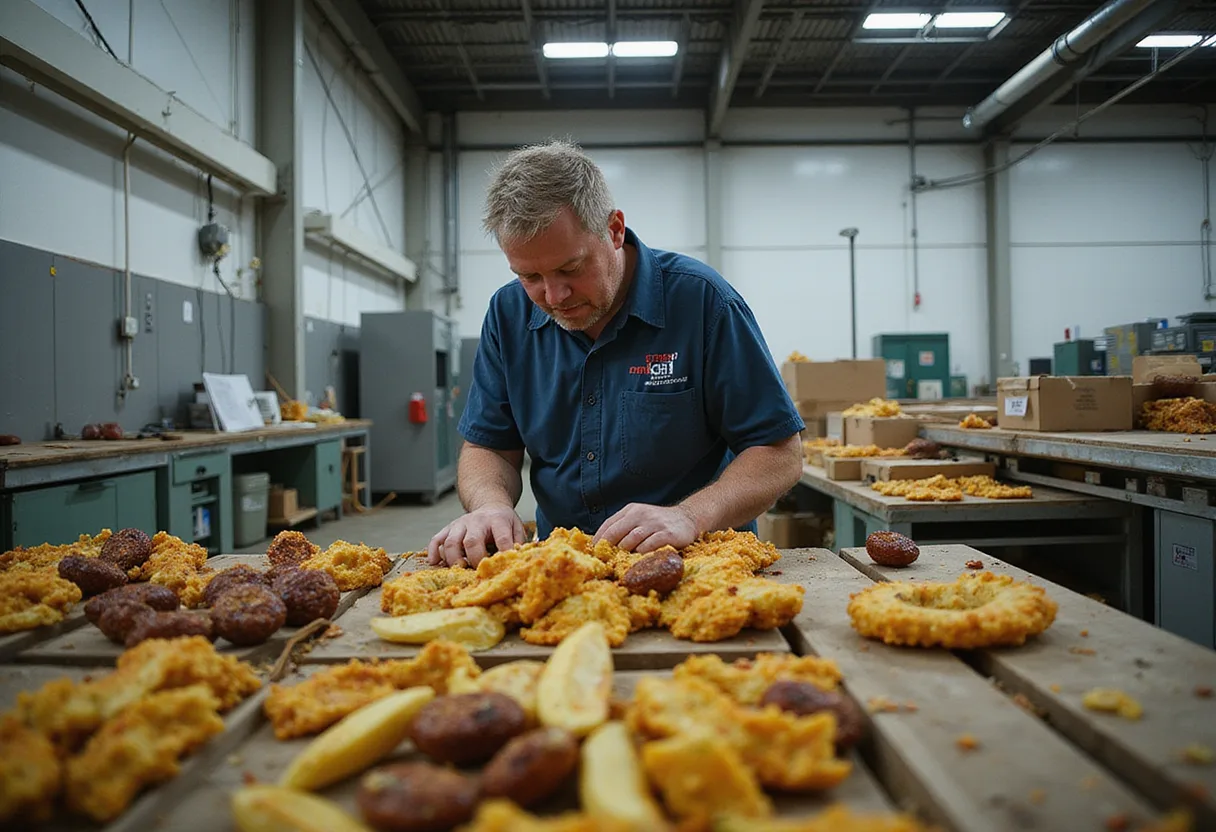
A manufacturing plant in Wisconsin will carry out permanent job cuts in December, according to a report from PlasticsToday. The upcoming reduction stands out because of its classification: these are not temporary furloughs or seasonal slowdowns, but permanent eliminations of positions at the facility.
The permanent designation carries weight for affected workers. A temporary layoff preserves a path back to the same employer, often with recall rights and, in many cases, continued benefits. A permanent cut closes that door. Workers who lose their jobs in December will need to re-enter the labor market as active job seekers rather than wait out a production pause.
Timing matters too. December layoffs land at the point in the calendar when many employers have slowed hiring for the year and budget cycles for new headcount reset in January. For the workers involved, that can stretch the effective job search across a longer window, even when their skills remain in demand. Severance terms, if offered, will determine how much runway each person has during that transition.
The sector context shapes what comes next for these workers. The facility belongs to the plastics industry, and the report appears in PlasticsToday, a trade publication covering plastics processing and manufacturing. Manufacturing layoffs driven by permanent cuts typically reflect structural decisions — product line closures, customer losses, or shifts in where production is located — rather than cyclical dips that reverse within a quarter.
For individual workers, that distinction defines the job-search strategy. Someone displaced from a plastics plant in Wisconsin faces a regional market where manufacturing employers compete for process technicians, machine operators, maintenance staff, and quality-control personnel. The practical question for anyone affected is how directly their current skills transfer to adjacent employers — packaging, medical device production, food processing, and general injection molding all draw on overlapping competencies.
Under the federal Worker Adjustment and Retraining Notification (WARN) Act, plants with 100 or more employees generally must provide 60 days' notice before mass layoffs or closures, which gives workers a formal window to prepare. Whether this particular reduction triggers WARN thresholds depends on the plant's headcount and the size of the cut — details the report did not specify.
The report also did not state the number of positions affected, the identity of the plant's owner, or the stated reason for the reduction. Those details will determine whether this is a targeted trim of one production line or a broader retrenchment, and readers should watch for a WARN filing or company statement to fill in the scale.
What is clear is the classification and the calendar: permanent cuts, in Wisconsin, in December. For the workers involved, the next step is converting an involuntary exit into a deliberate search before the holiday hiring lull sets in. Additional detail on headcount and rationale should emerge as the December effective date approaches.
Source: Google News: Layoffs
More from Priya Raman
Show full bio
Market editor covering people, launches and day-to-day practice in Job market data and labor economics at Path & Pay.
535 articles
Go deeper
- Sunlite Plastics to Cut Wisconsin Workforce in December
- Workday Announces New Job Cuts as Bay Area Layoff Pace Slows
- Hundreds of Texas Workers Face Layoffs During Thanksgiving Week
- Ohio Truck Plant Cuts Nearly 1,400 Jobs Days Before Rally
- 168 Jobs Cut as Major New Jersey Food Maker Shifts Production Out of State