Kroger Prepares Largest Layoffs in Its Nearly 150-Year History
Kroger, the largest US supermarket operator, is preparing the biggest layoffs in its nearly 150-year history, Yahoo Finance reports. The scale and timing of the cuts remain undisclosed.
Updated
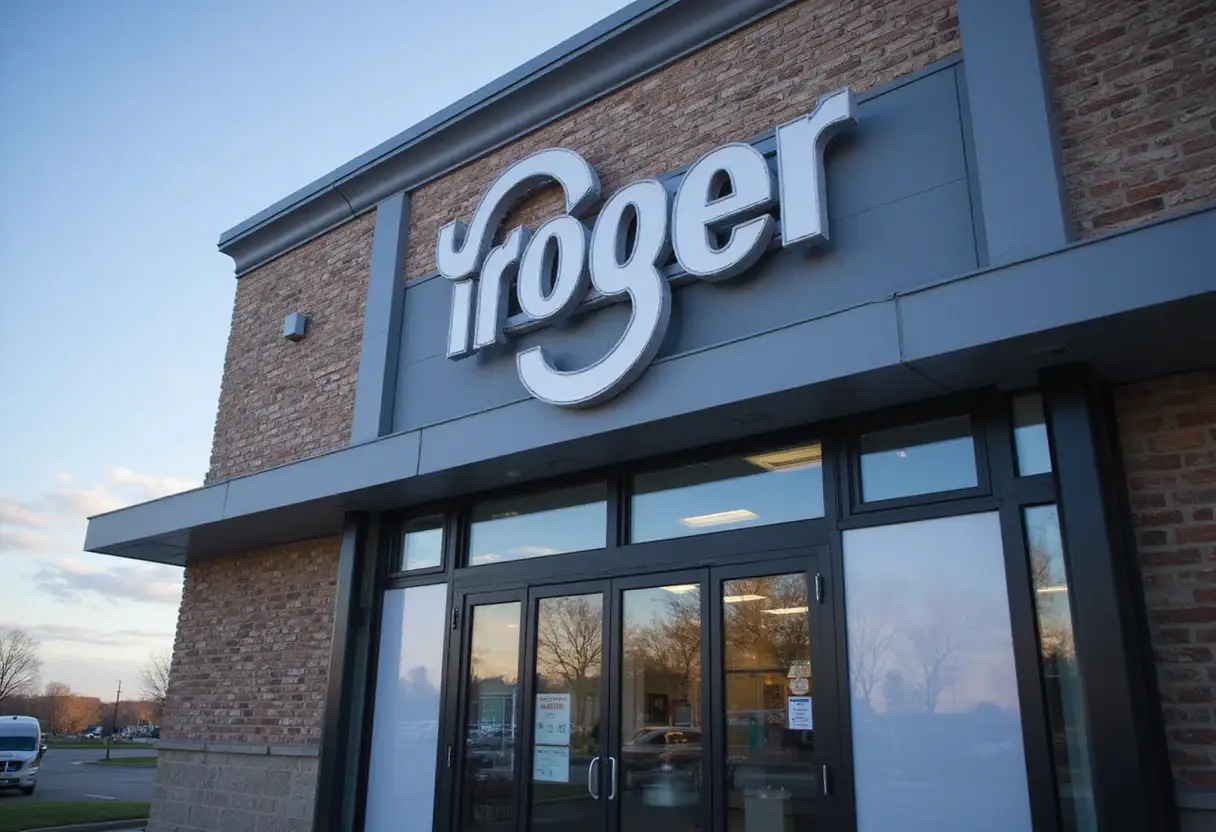
Kroger, the largest supermarket operator in the United States by revenue, is planning the largest round of layoffs in its nearly 150-year history, Yahoo Finance reports.
The plan marks an inflection point for a company that has operated since 1883 and, until now, has never announced workforce reductions of this magnitude. The report does not yet specify how many of Kroger's roughly 400,000-plus employees will be affected, which departments will bear the cuts, or on what timeline the reductions will take effect. Until those figures surface, "largest in history" remains a claim about scale, not a number a worker can benchmark against.
For Kroger employees and for the grocery labor market more broadly, the announcement lands at a delicate moment. Food retail has been one of the more resilient employment sectors of the post-pandemic period, absorbing workers even as technology and e-commerce reshaped store operations. A record cutback at the sector's largest employer signals that even defensive industries are now re-examining headcount.
What does this mean for grocery-sector workers?
At the individual level, the practical question is not whether Kroger is contracting but where. Corporate roles, supply-chain positions, and store-level jobs typically face very different risks in restructuring of this kind. The Yahoo Finance report does not break this down, and workers should treat any early speculation about specific stores or regions with caution until the company publishes details.
Job seekers should also note what a restructuring of this size does to the wider market: a large, simultaneous release of experienced retail and logistics workers into regional labor markets can soften wages and lengthen hiring timelines in the sectors that compete for the same talent.
What is not yet known?
Several material facts remain undisclosed:
- The total number of positions to be eliminated
- Whether cuts will target stores, distribution centers, or corporate offices
- The timeline for notifications under the WARN Act, which requires 60 days' notice for mass layoffs at covered sites
- Any severance, retraining, or internal transfer programs attached to the reductions
Each of these omissions matters. WARN Act filings, when they appear, will provide the first verifiable, site-by-site numbers — and those filings, not the headline, will define the true scale of the cuts.
Kroger has not yet publicly detailed the rationale, but the move follows years of margin pressure in US grocery, heavy investment in e-commerce fulfillment, and the collapse of its proposed merger with Albertsons, which a federal court blocked in late 2024.
For now, the signal is clear even where the numbers are not: the largest player in American food retail has decided that its current cost structure will not hold. Watch the WARN filings and the next earnings call — that is where the headline becomes a headcount.
Source: Google News: Layoffs
More from Sophie Lindqvist
Show full bio
Staff writer covering regulation, policy and their impact on Job market data and labor economics at Path & Pay.
503 articles