Kroger to Cut 3,000 Corporate Jobs Over Three Years
Kroger plans to eliminate 3,000 jobs over three years — roughly 83 positions a month. Here's what the phased layoff means for corporate retail workers.
Updated
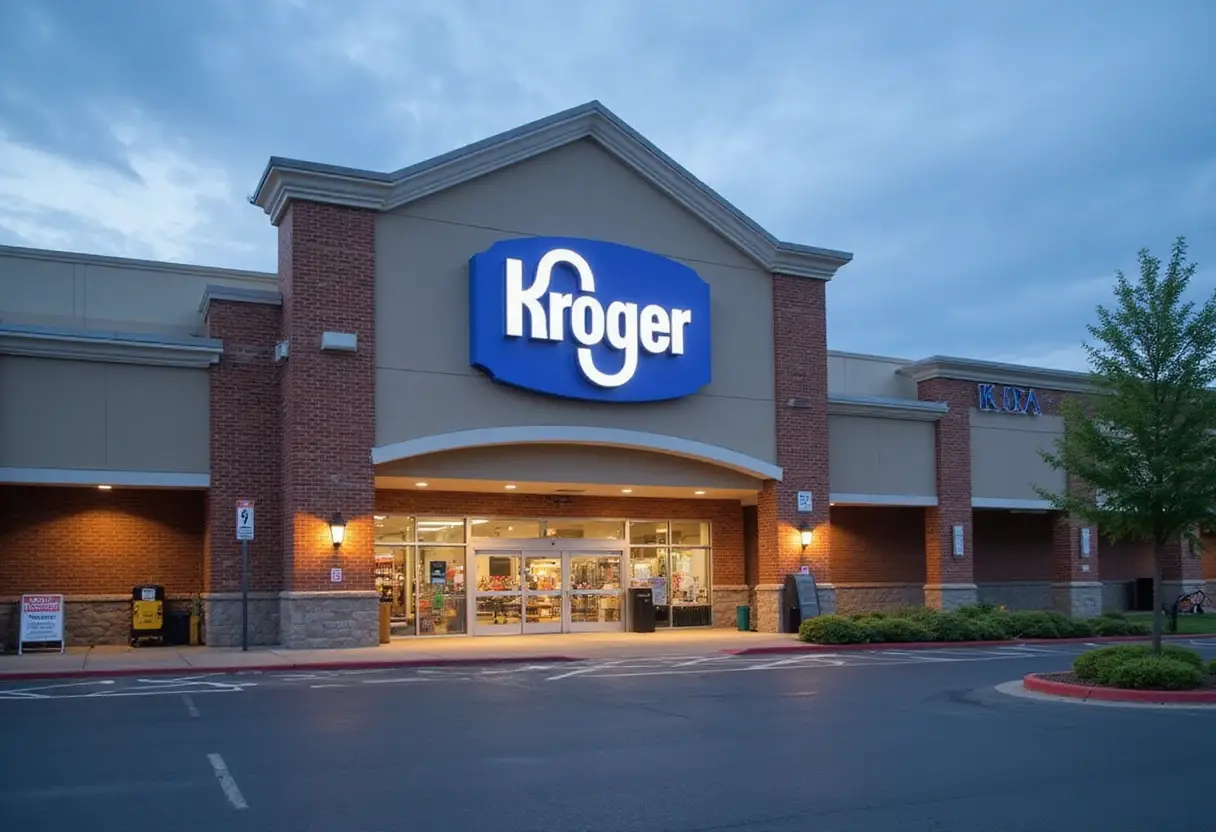
Kroger, the largest supermarket operator in the United States, plans to eliminate 3,000 jobs over the next three years. That's the hard number at the center of this story — and the pace matters as much as the total: 3,000 cuts spread across roughly 36 months works out to about 83 positions per month, a rolling reduction rather than a single mass layoff event.
For a company of Kroger's scale, the arithmetic is worth framing. Kroger employs hundreds of thousands of people across its stores and corporate offices nationwide, so a 3,000-person reduction targets a narrow slice of the workforce — overwhelmingly corporate and overhead roles, not the cashiers and stockers who make up the bulk of its headcount.
The takeaway in plain words: this is a slow corporate trim, not a shock layoff, and the people exposed to it are office workers, not store staff.
What does the timeline tell job seekers?
A three-year layoff plan sends a different signal than a one-quarter cut. For anyone currently in a corporate role at Kroger — or considering one — it means:
- The reduction won't land all at once; roughly 1,000 jobs per year are on the block if the cuts are spread evenly.
- Departments may see attrition, hiring freezes and voluntary departures used to hit the target before involuntary cuts.
- Internal mobility could tighten as open requisitions get absorbed into the 3,000-goal.
That's the mechanism of a phased layoff: the headline number is large, but the day-to-day experience is fewer posted openings, slower backfills and periodic team-level reductions.
How does this fit the broader labor market?
Kroger's move fits a wider pattern among large U.S. employers. Companies that over-hired into administrative, technology-support and middle-management layers have spent the past two years trimming those same roles, even while keeping frontline staff. Grocery retail is no exception: the pressure on margins from discounters, e-commerce fulfillment costs and automation pushes chains to cut overhead first.
For an individual corporate worker in retail — in finance, HR, merchandising support or IT — the practical read is this: your market position depends less on the company's total headcount and more on which layer of it you sit in. Frontline roles at Kroger aren't the target of this plan; back-office roles are.
What should affected workers do now?
Nothing in a phased reduction forces immediate action, but timing favors the prepared. A worker who sees the direction early — and starts interviewing while still employed — typically negotiates from a stronger position than one who waits for a severance conversation. Three years of runway is, in job-search terms, a long warning light.
The one-line closer: watch whether the cuts stay corporate-side, because that boundary will define who at Kroger faces this market and who doesn't.
Source: Google News: Layoffs
More from Grace Kim
Show full bio
Correspondent covering money, funding and market shifts around Job market data and labor economics at Path & Pay.
503 articles