Kroger to Cut 3,000 Jobs as AI Takes on 'Duplicative Work'
Kroger says it will cut 3,000 jobs and use AI to "reduce duplicative work" — one of the clearest signals yet of automation replacing clerical roles.
Updated
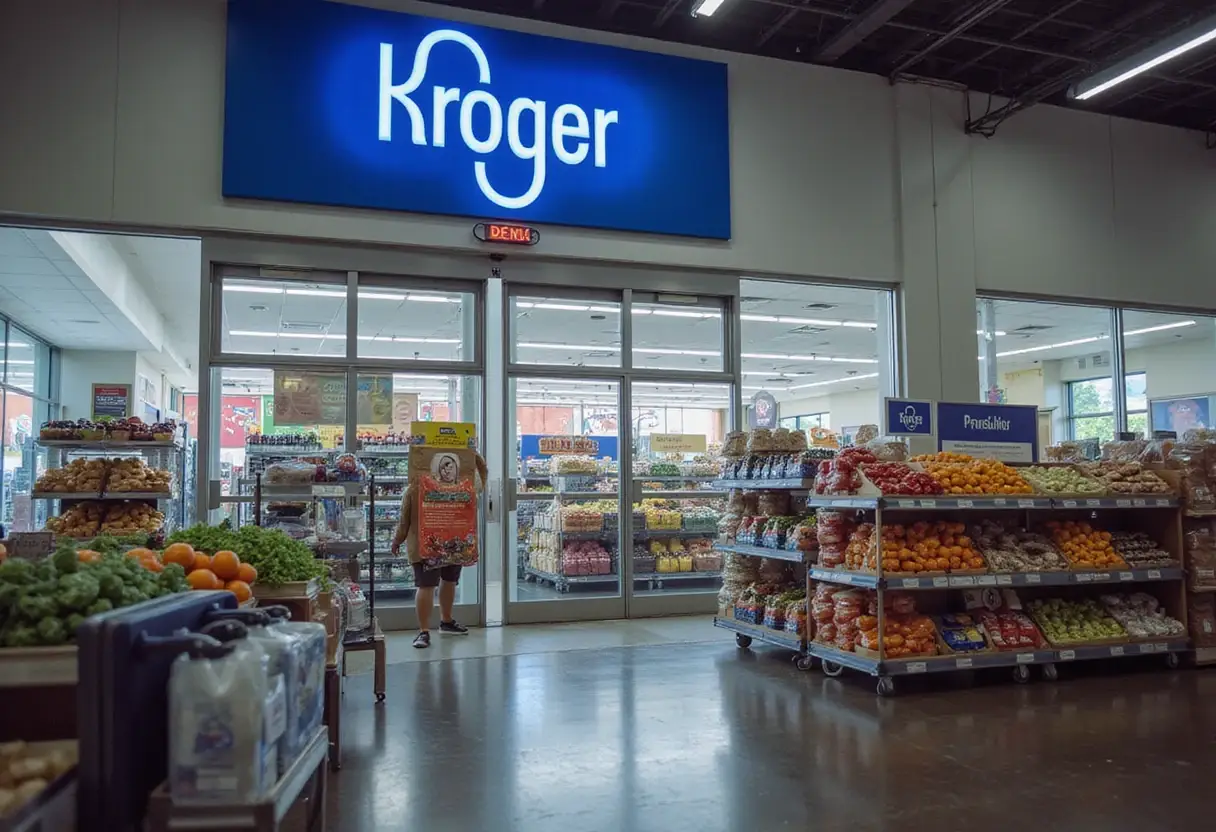
Kroger, the largest supermarket operator in the United States, has announced 3,000 layoffs — and the company has tied the cuts directly to artificial intelligence. In its announcement, Kroger said it wants to "reduce duplicative work" with AI, a phrase that signals how automation now sits at the center of corporate cost decisions rather than at the margins.
That figure deserves framing. Three thousand roles represent a small slice of Kroger's total headcount, which runs into the hundreds of thousands across its store banners and supply chain. But the language matters more than the share. A company blaming restructuring or market conditions is telling one story. A company naming AI as the reason is telling another.
Why the wording matters
Kroger did not soften the message. The stated goal — to "reduce duplicative work" — implies the affected roles involve tasks that machines can now replicate: scheduling, inventory paperwork, data entry, back-office processing. That is the category of white-collar and administrative work that labor economists have watched closely since generative AI tools spread through corporate America.
For years, automation anxiety centered on warehouses and checkout lanes. This announcement fits a newer pattern. The tasks being absorbed are increasingly cognitive and clerical. When a retailer of Kroger's scale says so publicly, other large employers read it as permission.
What does this change for retail workers?
Here is the practical question. If you work in corporate or administrative functions at a large grocery or retail chain, this announcement tells you where the risk now sits. Front-line store roles remain hard to automate at scale. Duplicative office work does not.
Three signals are worth tracking:
- Which roles Kroger specifies as it implements the cuts — corporate, divisional or store-support positions.
- Whether competitors follow. Walmart, Albertsons and Target face the same margin pressure and the same AI tooling.
- Whether retraining offers accompany the layoffs, or whether the roles simply disappear.
The sector context
Grocery retail runs on thin margins, typically low single digits. Kroger has spent years chasing efficiency through data analytics and automation, including its planned — and ultimately abandoned — merger with Albertsons, which regulators blocked. With that deal dead, cost reduction has to come from operations themselves. AI offers exactly that lever.
The macro takeaway is straightforward. This is not a demand problem. Americans have not stopped buying groceries. It is a labor-substitution decision, made at a moment when AI tools are cheap enough and capable enough to justify the swap in the eyes of a CFO.
Watch the next two earnings seasons. If Kroger reports cost savings on schedule and rivals announce similar cuts, the 3,000 figure will look less like an outlier and more like the first data point in a sector-wide shift.
Source: Google News: Layoffs
More from Priya Raman
Show full bio
Market editor covering people, launches and day-to-day practice in Job market data and labor economics at Path & Pay.
535 articles